Connect, Engage, Reward: The New Publishing Playbook


- Intro
- The Holy Grail of Publishing
- Publishing on Shifting Sands
- Beyond Table Stakes
- The Three Pillars of Modern Publishing
- Putting This Into Practice
- Looking Ahead: Innovate Within the Constraints
How and why modern publishers should build loyalty, community, and cross-game ecosystems.
The Holy Grail of Publishing
Have you ever asked people in our industry to define the term publishing? Ask ten people, and you’ll get ten different answers. Well, I’m not going to pretend this essay will produce the snappy, definitive description that unifies us all, only to be crucified by my peers for ignoring a nuance. Let's avoid that trap, shall we?
What we can agree on is this: publishing is ultimately about successful communication.
Publishing is about successfully communicating what a game is, why it matters, and why a player should choose it over the thousands of other games (and apps) competing for their attention.
Decades ago in the retail era, this communication flowed through broad channels: billboards, trailers, magazine demos, print ads, in-store promotions. It was a simpler time where games behaved a lot like movies, books and music. With only a few hundred releases per year, there was actual room for everyone to be heard.
Then everything went digital.
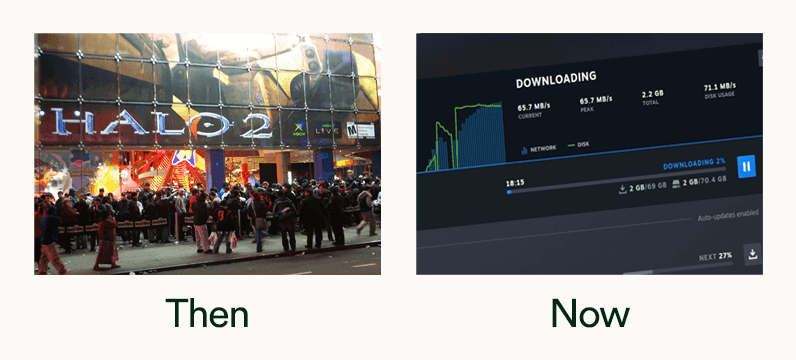
Queues for midnight releases were replaced with preloads. Stores became online platforms with endless libraries. New avenues emerged to connect and communicate with players through social media, content creators, and community hubs. But as the barrier to making and distributing games dropped, the number of games exploded. And because technology has stabilized, games stay relevant for longer. A game released 10 years ago competes just as effectively as one released 10 days ago. Just ask the makers of Skyrim or GTA V.
The result? A communication traffic jam.
Every channel is saturated. Every creator is competing for the same moments of attention. Every publisher is fighting the same uphill battle. So what comes next? How does publishing adapt to a mature, noisy market? How do publishers communicate effectively at scale?
This is the question we’ve spent the past several years asking publishers. Not just the executives, but sales and commercial teams, producers, marketers, community managers, and customer support teams. The people dealing with these pain points every day.
Their answers are remarkably consistent. They want:
- Direct, targeted, one-to-one conversations with players
- A platform where they are guaranteed the player’s attention
- Real insights into player behaviour across their entire portfolio
- The tools to drive engagement, retention, and guide players across multiple titles in the catalog
This is the holy grail of modern publishing: finding more efficient and effective ways to delight players so they choose to invest more of their time, attention, and ultimately money into the games they love. Until recently, this has been completely out of reach for all but the largest AAA publishers who have spent tens of millions building internal systems to approximate it. Unfortunately, the majority of publishers simply cannot afford to build this technology themselves.

But for the first time, these capabilities are no longer locked behind AAA publisher walls. LootLocker gives every publisher access to these superpowers.
Publishing on Shifting Sands
Why do publishers want these capabilities so badly? Because building meaningful connections with players has never been harder and the expectations of players have never been higher.
Even established publishers with proven track records and massive audiences are struggling to effectively reach their players, hence the increasing reliance on existing IPs, where identifying, targeting, and communicating with an audience is easier.

The reasons are well documented. I’m not going to rehash everything Matthew Ball and others have already analyzed, but the summary is simple: the ecosystem is louder, more fragmented, and more competitive than ever, with bigger walls and wider moats around platforms and forever games, while everyone (including TikTok, YouTube Shorts, and Instagram Reels) is fighting for the same limited hours of consumer attention.
The symptoms are everywhere.
Steam wishlists, once a reliable predictor of future sales, have lost most of their predictive value. Conversion rates that once sat in double digits are now in the low single digits, even for well-known IPs. With nearly 20,000 games launching on Steam each year, it’s no wonder wishlists aren’t converting as they once did.
And yet, digital distribution has one major upside: the air gap between publishers, developers, and players is gone. Publishers have been desperately trying to move closer to players through social media, Discord, newsletters, and community hubs in an attempt to “own” the relationship the way Shopify stores own their customers.
But as publishers have leaned in, first-party platforms have tightened their grip. They want to own the player relationship too, and they guard it with the enthusiasm of a jealous sibling protecting a box of cookies.
So this pursuit of player insights, meaningful communication, and sustained engagement is not a trend. It’s the natural next step in the evolution of publishing.
Beyond Table Stakes
To understand where publishing needs to go, we have to acknowledge where it is today.
Publishing has taken many forms as games evolve and player bases age and new generations of players become consumers. Publishing can be first-party, third-party, or self-publishing (even shadow publishing); it can rely on community-driven strategies, early access, or crowdfunding; it can stretch across multi-year campaigns or appear as a shadow drop. Publishing adapts to the type of game being launched. A single-player narrative experience is a very different beast from a live, multiplayer title that demands technical tests, betas, and ongoing service. There is no one-size fits all when it comes to publishing.
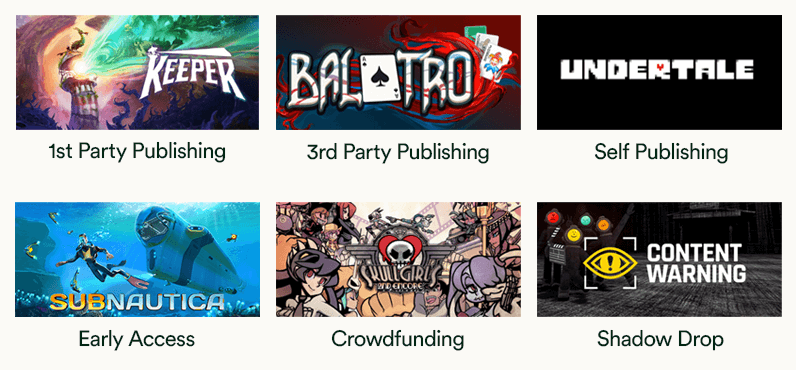
But no matter how the landscape evolves, the fundamentals of good publishing still apply. You need to define your audience, craft compelling messaging, and offer something worth playing. A decade ago, that might have been enough to break through the noise, but today, that’s just table stakes.
To succeed now, publishers must build a stronger, more direct bridge to their players before, during, and long after launch. Across every title in their portfolio, on every platform where those games live.
The Three Pillars of Modern Publishing
What’s clear now is that the path forward requires more than repeating the same marketing motions of the past decade. It requires building a stronger, more direct bridge to your players. One where you can craft a cohesive player journey based on each individual’s play history and engagement. This is where true innovation must occur, working both within and against the constraints of first-party platforms.
While foundational publishing skills remain essential, we believe the new publishing playbook rests on three pillars: Connect, Engage, and Reward.
Connect: Establishing Player Identity and First-Party Data
You can’t market effectively to players you don’t know. Publishers must identify who their players are not just as total numbers on a spreadsheet, but as real individuals across the platforms and communities they inhabit.
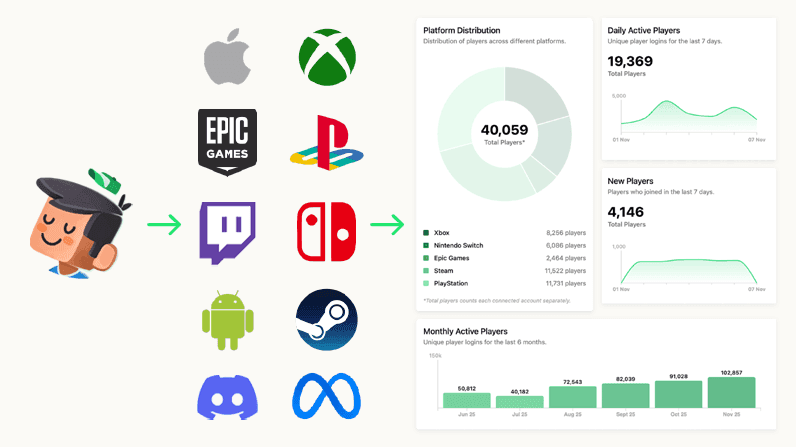
Players don’t only exist inside your game; they live across Discord, Twitch, Reddit, email, and countless other touchpoints. Knowing that the person chatting in your Discord is also one of your most loyal players is invaluable. And depending on your audience, email might still be a powerful communication tool. You need to understand who your players are, where they spend their time, and how best to reach them.
Why? Because without understanding your players at an identity level, you can’t engage them meaningfully or reward participation effectively.
This requires technology, like LootLocker, that links player identities across platforms, tracking when they joined, how they’ve interacted, and what keeps them coming back. You need systems that can connect, verify, and reward participation across platforms and timelines.
Engage: Curated Communication and In-Game Real Estate
The best games are built with active communities, but where you engage them matters.
Discord may be the default community hub today, but most players are part of dozens of servers and attention shifts quickly. So how do you ensure players actually see your updates, patch notes, or new game announcements?
The answer: engage them appropriately inside the game.
The main menu, pause screen, and loading screens are the last meaningful pieces of real estate where you truly have a player’s attention. When implemented naturally and diegetically, they become direct communication channels for news, changelogs, events, promotions, and updates.
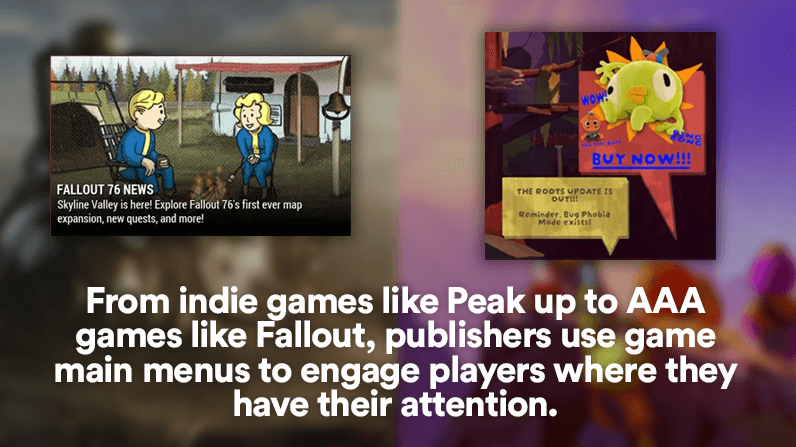
And because you now know your players, this content can be targeted, contextual, and relevant. Not every player wants the same information: your FPS audience doesn’t care about cozy farming updates, and your Xbox players don’t need PlayStation DLC promotions.
In-game is also the best place for players to communicate back. Give them the ability to submit immediate bug reports, feedback, or sentiment while they’re playing. Since this feedback is tied to player profiles, you gain deeper insight into who is providing input (first-time players or long-term fans) which helps you interpret their feedback with far greater context and even respond directly to them in a meaningful, personalized way.
Understanding who’s playing, who’s engaged, and who’s speaking up is something we believe in strongly at LootLocker as it gives you the data to make smarter creative and marketing decisions.
Reward: Gamifying the Portfolio and Driving Loyalty
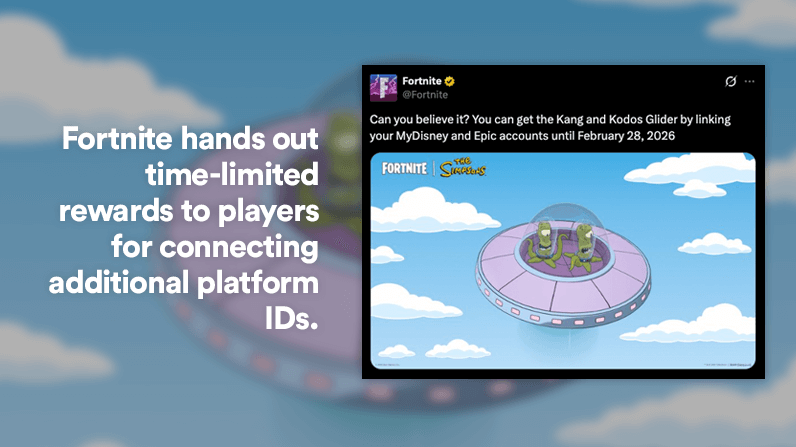
In the battle for attention, incentives matter. Reward players for engaging with your game or across your entire catalog. Think loyalty programs, cross-game unlocks, shared currencies, referral rewards, or community achievements. Encourage fans of one game to try another. Turn feedback into a rewardable activity. Build a system where every interaction feels valuable to the player.
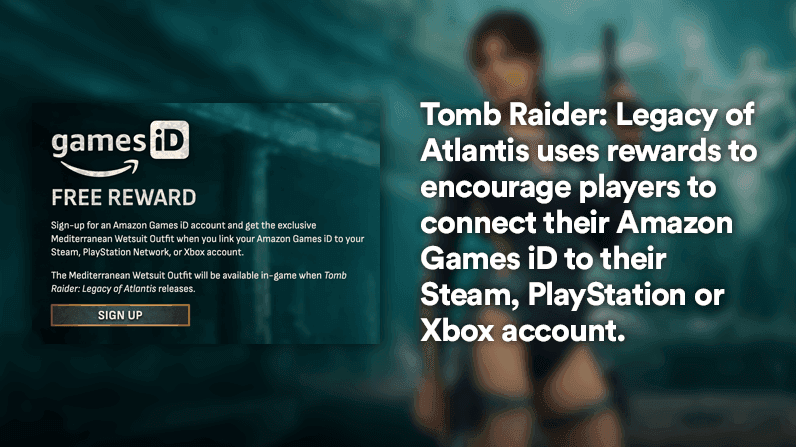
Each touchpoint is an opportunity to build loyalty that you can leverage when launching future titles.
Even if you only have one game today, bake these ideas and technologies like LootLocker into your publishing strategy now. That way, when your next title arrives, you’ll already have a loyal audience ready to play more of your games.
Putting This Into Practice
It’s easy to talk theory without offering tangible examples. So, depending on where you are in development, here’s how these ideas can be put into practice and how they help shape a holistic player journey that keeps players within your ecosystem rather than losing them once they’re finished with your game.
Crucially, these strategies don’t require building custom infrastructure from scratch. LootLocker is designed to make this kind of player relationship achievable with relatively low implementation effort. With that in mind, let’s look at a few practical examples.
Early Development
Before having something playable, there is more you can do beyond sharing screenshots, videos or gifs to begin shaping a long-term relationship with early supporters.
For example, you can offer exclusive “founder” rewards for players who join your community during development. With LootLocker, you can allow your players to claim these rewards at key milestones, encouraging them to return for updates and news. LootLocker’s Unified Player Accounts system also lets you start building a CRM of players, including Steam IDs, Discord IDs, and email addresses well before launch, giving you a direct two-way connection to your most invested fans.
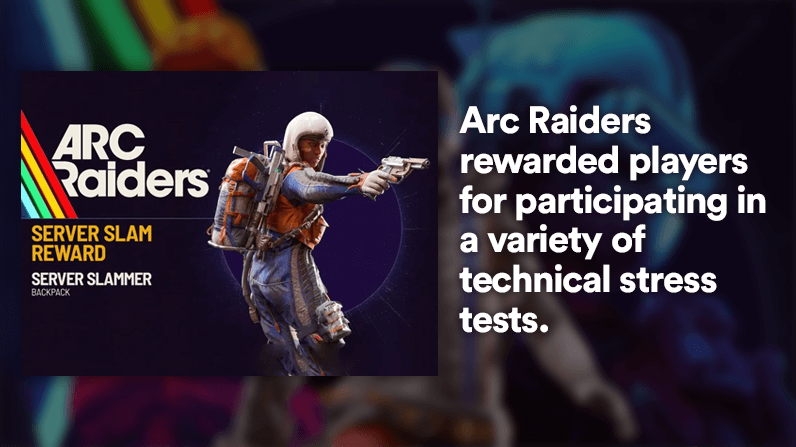
These rewards don’t need to be currencies or cosmetics, they could be as simple as an alternate skin or an “Early Supporter” main menu background. The goal is to show appreciation and make players feel valued by giving them something exclusive.
If your strategy involves letting the community play early builds (such as through Itch.io), use LootLocker’s White Label Login or platform IDs to gate access to registered players. This lets you capture:
- Email: to notify players when a new build is ready
- Discord ID: so you know exactly who they are in your community
- Platform ID: enabling you to grant unique rewards when the full game launches
By laying this foundation early, you are already shaping the first leg of a player’s lifecycle with you as a publisher. Not just for this game, but for your entire catalog.
Pre-Release
As launch approaches, you might release a demo, participate in Steam Next Fest, or enter Early Access. These present excellent moments to deepen engagement by rewarding participation.
Offer time-limited rewards for players who play during these events, creating exclusivity and virality as players share these opportunities with friends. You don’t need to implement these rewards immediately, you only need the infrastructure to track participation and fulfill rewards at launch, providing another way to entice players back to your game.
Use LootLocker’s Broadcasts to push patch notes, news, or promotions directly to demo or EA builds, ensuring players stay informed inside your game. If you have other titles, you can even promote your upcoming release in those games introducing players from your back catalog to what’s coming next.
LootLocker’s White Label Login allows you to capture email addresses directly in-game, providing another communication channel as launch approaches. Combining email capture with player metadata and segmentation allows you to target players with personalized in-game and email messaging based on their choices and behavior.
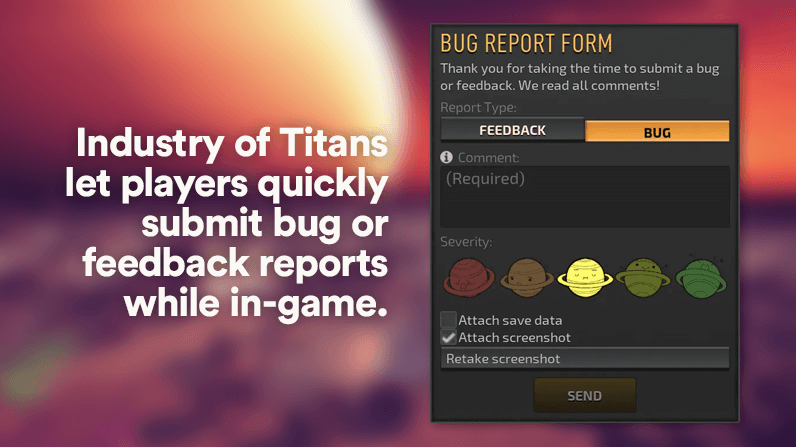
And by capturing early sentiment via LootLocker’s Feedback tool, you not only improve your game, you show early adopters that their voice matters, which increases player retention and strengthens the community during development.
In this phase, you're no longer just preparing for launch. You're preparing for what happens after launch, when players reach the endgame and start asking, “What should I play next?”
Live Game(s)
Once your games are live, the entire player lifecycle becomes your playground, and this is where the player journey becomes most powerful.
Want to bring players back for an update? Offer a time-limited reward that can only be claimed shortly after the patch goes live.
Need to boost Discord engagement? Send an in-game Broadcast inviting players into your server with an exclusive reward waiting for them.
Keep capturing sentiment with LootLocker’s Feedback tool. Because feedback is tied to identity, you can understand who is speaking: first-time players, long-term superfans, returning lapsed players; and respond accordingly.
And if you have more than one game live, now is the time to truly connect them. Use White Label Login to create a cross-game account system. Implement Progressions or Currencies to build loyalty programs. Use rewards to incentivize players to link platforms through UPA (while also unlocking cross-progression and cloud saves). And use Broadcasts to drive attention to other titles and highlight the benefits players unlock as they explore deeper into your ecosystem.
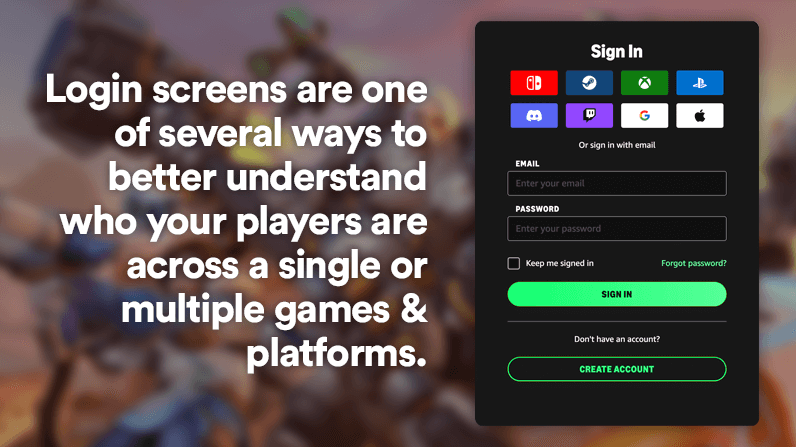
But the biggest opportunity arrives when a player is nearing the end of their time with a game. LootLocker can help identify when a player is at risk of churning; they’ve finished the story, completed major goals, or haven’t logged in for a while. By relying on the data that LootLocker provides, you can determine which of your other games they’re most likely to enjoy next.
Then you can trigger a targeted in-game campaign before they leave your ecosystem, offering:
- a discount on content in the next game
- cross-game currency or points
- an exclusive skin or badge
- a special event invitation
- or a loyalty reward that carries into the next title
This transforms your catalog from a set of disconnected products into a guided player journey. A progression shaped by each player’s behavior, preferences, and play history.
If you’ve captured their email then email channels can reinforce this journey: nudges to return, reminders of unclaimed rewards, personalized recommendations based on completed games, or exclusive offers for long-time fans.
With these tools and tactics, your publishing strategy stops being about a single launch and becomes about guiding players through a lifelong relationship with your portfolio.
Looking Ahead: Innovate Within the Constraints
We live in a world controlled by platforms, algorithms, and an increasingly distracted player base. Virality can’t be planned or engineered. Trends shift overnight. There are no shortcuts. Great games still matter most, and no amount of publishing wizardry can save a bad one.
But what happens after you’ve made a great game is changing rapidly.
Publishers who adapt, who innovate within the constraints of platforms, who build direct relationships with their players, and who treat their catalog as a connected ecosystem will define the next decade of gaming. Success will come from moving beyond attracting a player to a single title and instead nurturing long-term, multi-game fans through a carefully crafted player journey.
The future of publishing isn’t about shouting louder. It’s about deeper connections, smarter communications, and rewarding loyalty in meaningful ways.
And that’s the future LootLocker is helping publishers build.